Open Science Talk
A podcast about Open Science, Open Access, Open Education, Open Data, Open Software, and other open topics. Produced by the University Library at UiT The Arctic University of Norway. Hosted by Erik Lieungh (episodes 1-31) and Per Pippin Aspaas (from episode 32 onwards).
Episoder
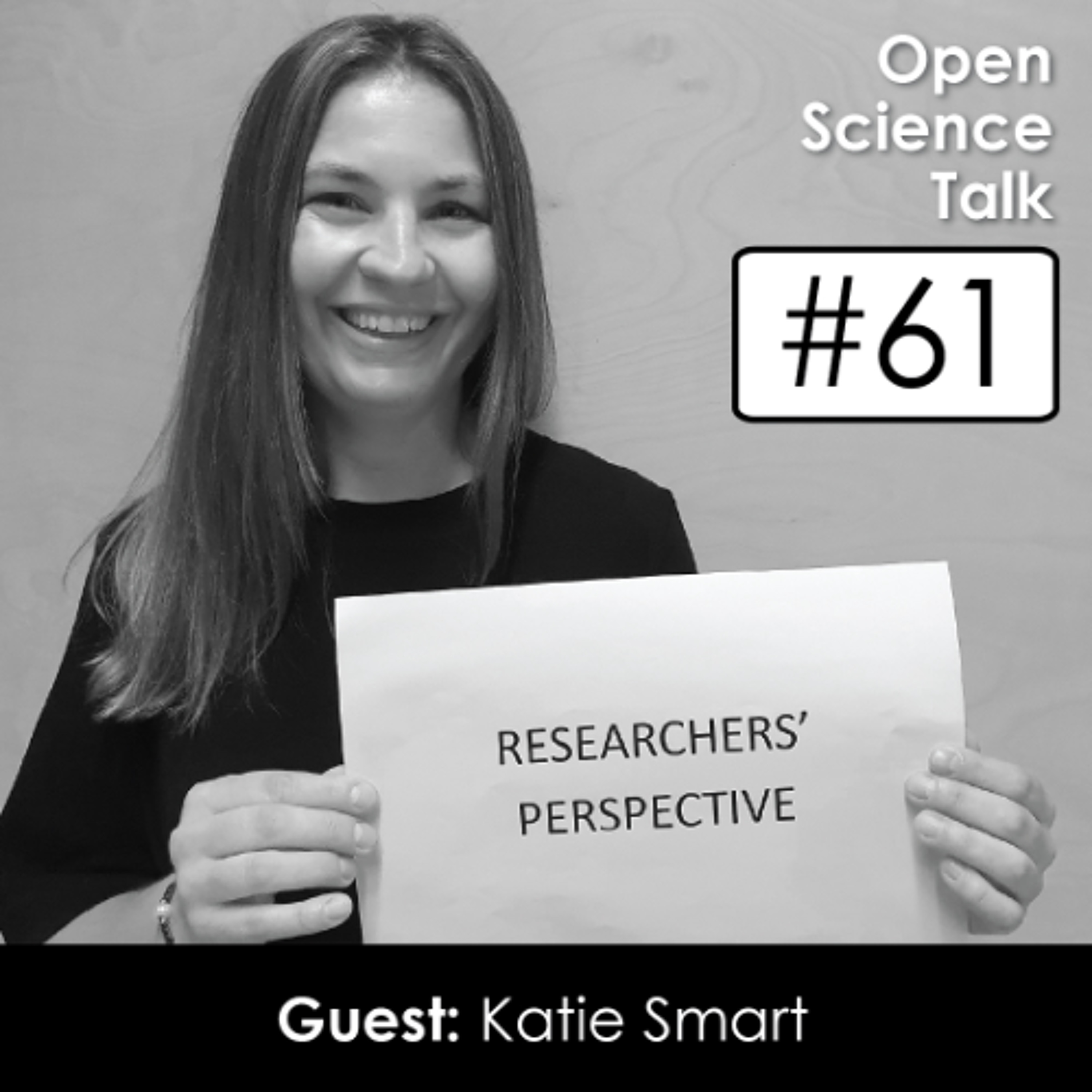
#61 A realistic researcher’s take on Open Science services
Katie Smart served as a research librarian at UiT The Arctic University of Norway from 2022 to 2025. A geologist with research experience from three countries (Canada, Germany, South Africa), Katie's role at UiT was as a specialist in open science services. In this episode, she discusses different local and national services for open science that she has been involved in and emphasizes that market
#60 National Diamond Funding
How can Diamond Open Access be funded? The Finnish Federation of Learned Societies (TSV) hosts a platform with more than 150 learned society journals and are distributing governmental funding to cover the operating costs of under-financed national Diamond journals. In Canada, the majority of scholarly journals are Diamond thanks to library resources and governmental funds. More than 250 Canadian j
#59 The Lorraine Model
In 2017, the University of Lorraine cancelled its subscription to Springer and in 2023, it cancelled its deal with Wiley. The money saved has been channeled into an Open Science Fund which supports open research infrastructures, training and support programmes for open research, and diamond open access publishing. With additional financing from regional research institutes and the national ministr
#58 10 Years of TROLLing: A Birthday Podcast Episode
The Tromsø Repository of Language and Linguistics (TROLLing) published its first dataset on June 13, 2014. Since then, the repository has grown to 173 datasets, each of which is available in open access and equipped with metadata explaining its contents. Two of the most frequent users of the archive, professor of Russian linguistics Laura A. Janda and postdoc of English linguistics Lukas Sönning s
#57 KOALA – Building Support for Diamond Open Access
The German initiative KOALA (in English, Building Consortial Open Access Solutions) is a bottom-up initiative that negotiates funding for Diamond Open Access by cutting into library budgets. By pooling resources from more than a hundred research libraries across Germany, KOALA has so far secured funding for ten peer-reviewed journals and two book series.
More details, including a transcript of th
#56 IOI and Infra Finder
The non-profit initiative IOI (Invest in Open Infrastructure) works to increase the investment in, and adoption of, open infrastructure. This podcast episode was recorded in conjunction with the launch of the collaboratively developed, openly available Infra Finder database.
More details, including a transcript of the entire episode, can be found at https://doi.org/10.7557/19.7551.
#55 The European Landscape of Institutional Publishing
This episode discusses Diamond Open Access publishing services provided by institutions, occasioned by a recent landscape report on Institutional Publishing in the European Research Area and a synopsis of the same report. The main findings of the report are contextualized alongside previously assembled knowledge on Diamond Open Access journals and other on-going and future projects in the field.
#54 Rights Retention Policies - a SPARC Europe report
A discussion on SPARC Europe's report "Opening Knowledge: Retaining Rights and Open Licensing in Europe" (Zenodo, 28 June 2023). Three of the authors of the report share their thoughts on why the landscape differs so much between countries. They also look to the future of Rights Retention Policies across Europe.
More details, including a transcript of the entire episode, can be found at https://d
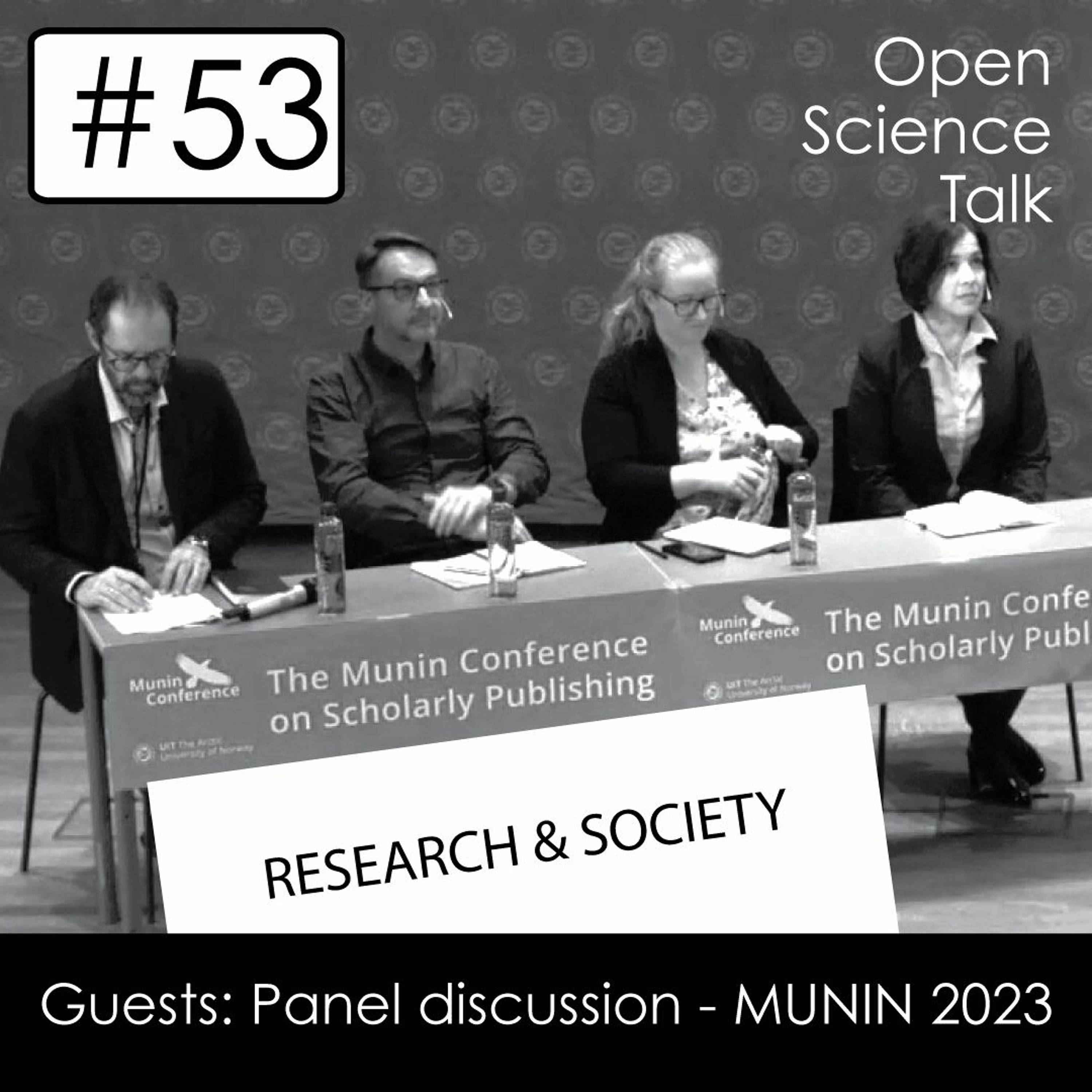
#53 Research Assessment – Navigating Pitfalls and Promoting Change
Podcast version of the closing panel discussion at The 18th Munin Conference on Scholarly Publishing (Tromsø, Norway, 8–10 November 2023). The panel consisted of champions of research assessment reform (Yensi Flores Bueso, University of Washington / University College Cork; Kirstie Whitaker, The Alan Turing Institute) and university leaders (Hervé Dole, vice-president for arts, culture and society
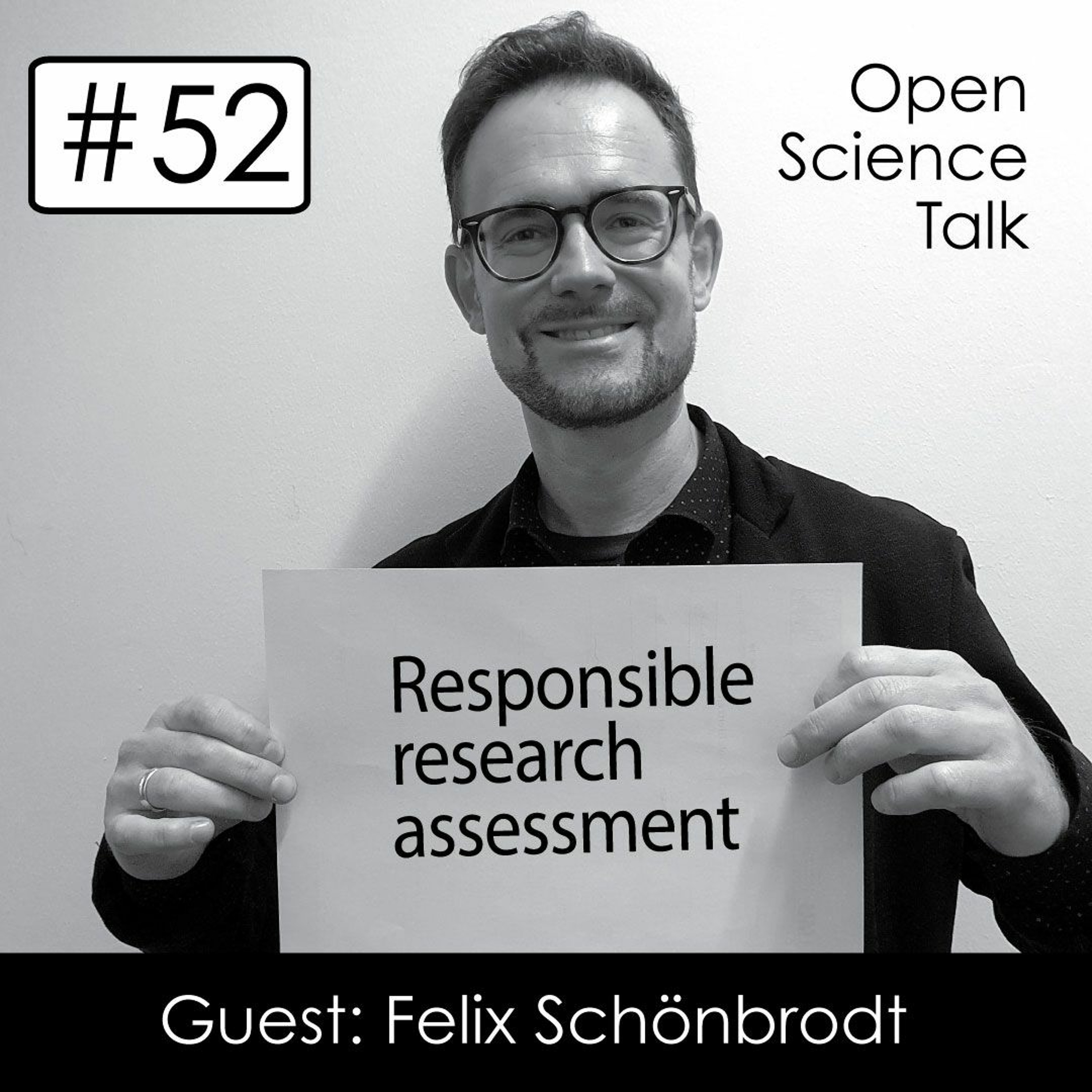
#52 Responsible Research Assessment
Felix Schönbrodt speaks about his work within the German Psychological Society, where he is part of a committee that has developed a set of guidelines for Responsible Research Assessment. A professor at Ludwig-Maximilians-Universität in Munich, Germany, Schönbrodt is also the leader of LMU’s Open Science Centre and has been working actively to promote reproducibility and transparency in science fo
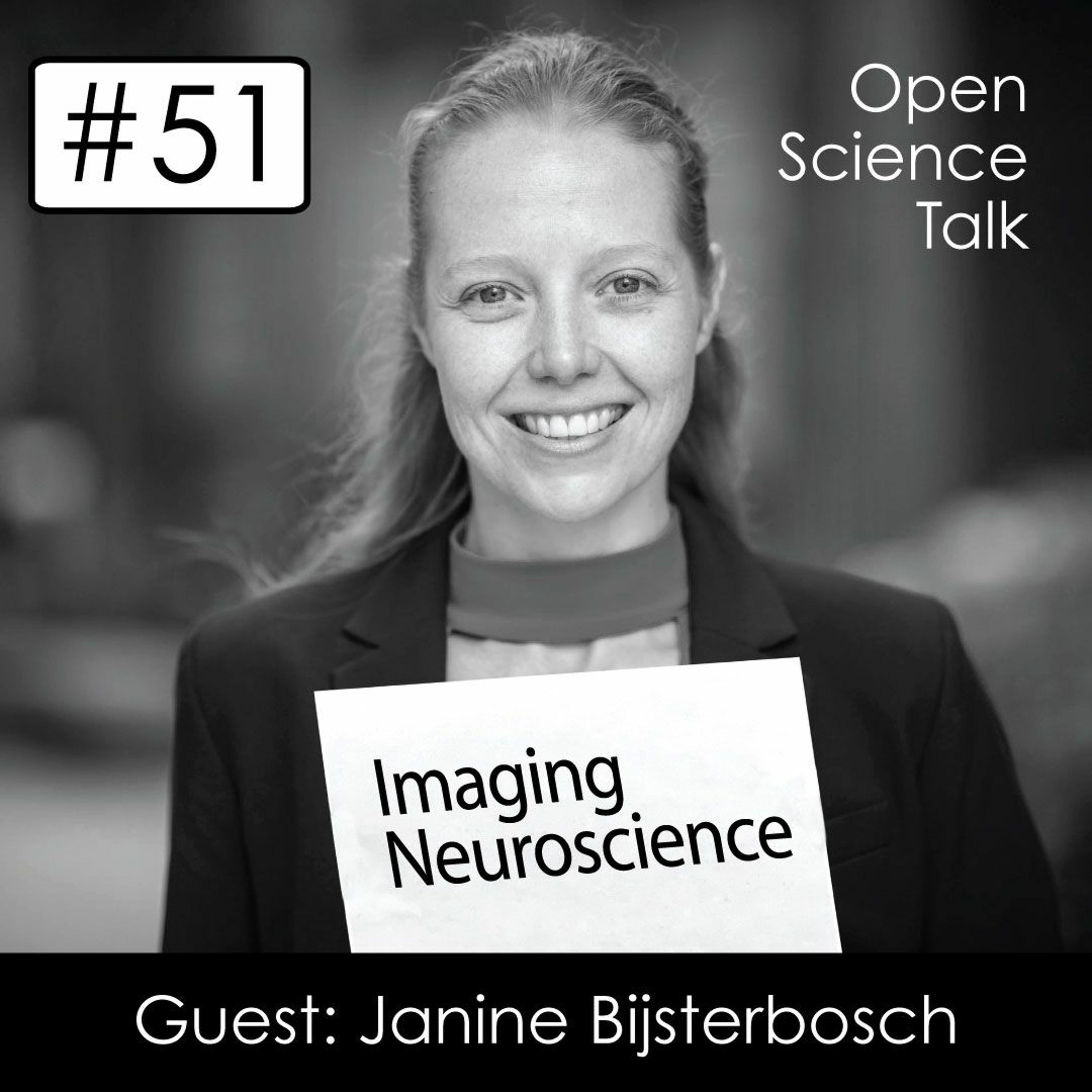
#51 Breaking up with Elsevier
Janine Bijsterbosch, member of the editorial team of Imaging Neuroscience, informs about their recent break with publishing giant Elsevier. The editors collectively left the Elsevier journal Neuroimage, where the impact factor was 7.4 and the cost of publishing (APC) was set at 3,450 US Dollars. Instead, they set up a new, non-profit journal called Imaging Neuroscience. This will be published by M
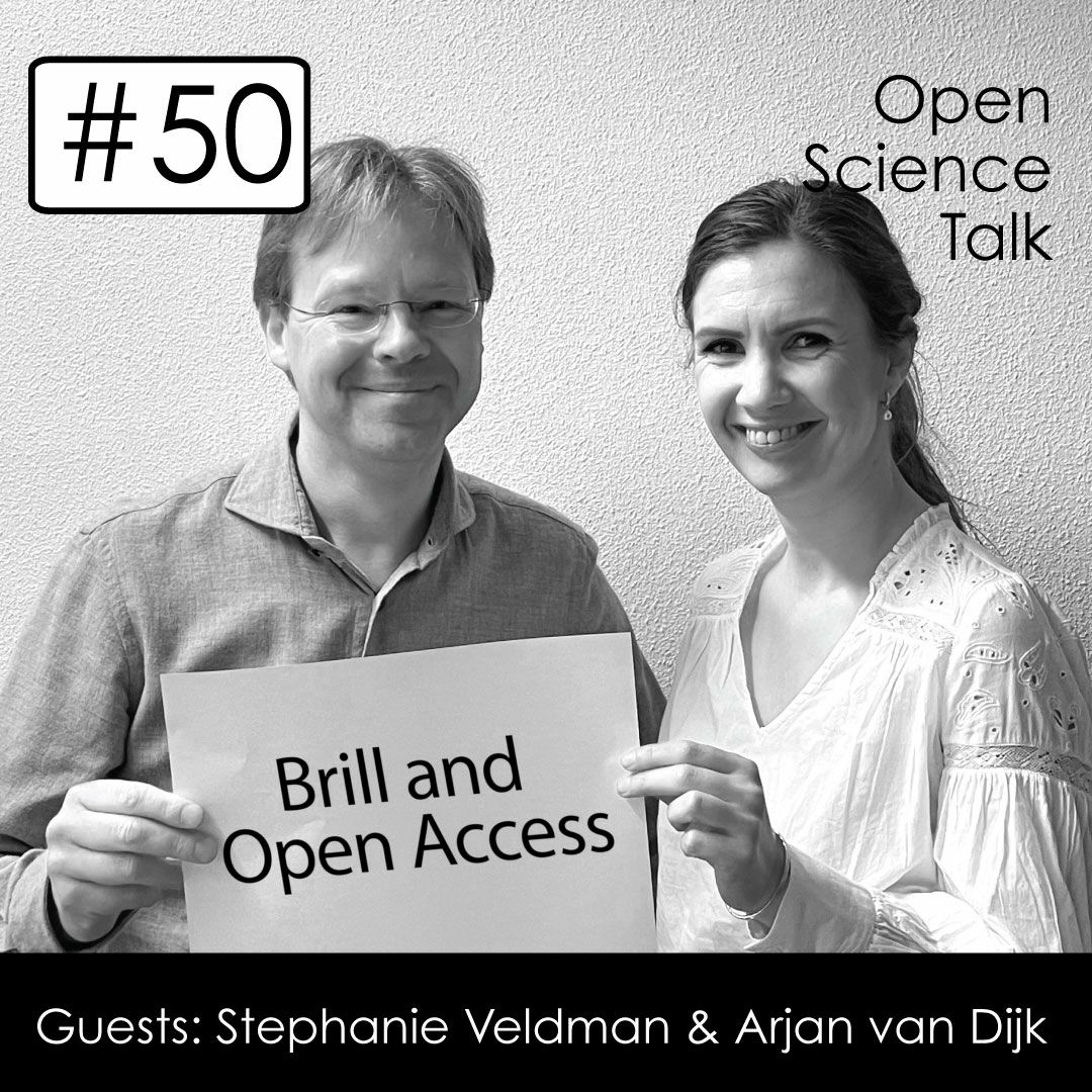
#50 Brill And Open Access
Stephanie Veldman and Arjan van Dijk of Brill Publishing reveal the economic mechanisms and strategic thinking behind their work in open access. A 340-year-old publishing house with strong credentials in the Humanities and Social Sciences in particular, it publishes some 1,400 academic books and more than 300 peer-reviewed journals annually. About 10% of its books are published in open access and
#49 The Bill & Melinda Gates Foundation as promoter of Open Research
An online interview with Ashley Farley, program officer of Knowledge and Research Services at the Bill & Melinda Gates Foundation. As of 2023, the Gates Foundation earmarks some 8,000,000,000 US Dollars annually to its various philanthropic goals. Focusing on global health and global development, the Gates Foundation supports a wide range of research and development activities in fields such as ch
#48 DIAMAS - supporting high quality Diamond Open Access publishing
An introduction to the project DIAMAS, aimed at investigating and supporting “diamond” open access publishing models, i.e. free for the reader as well as the author (no publishing charges/APCs). An ultimate goal of the three-year project is to foster high-quality diamond publishing by setting up a Europe-wide capacity center. The recording was made in conjunction with the Munin Conference on Schol
#47 A short introduction to DOAJ
The Directory of Open Access Journals (DOAJ) was founded in 2003. It currently lists more than 18,000 peer-reviewed, strictly open access journals (Gold or Diamond). Dominic Mitchell, who has worked for DOAJ for the last ten years, explains how the indexing process is managed by a combination of volunteers and salaried staff like himself, how they work to exclude predatory journals from the list,
#46 The whys and whats of OPERAS
OPERAS, the European research infrastructure dedicated to open scholarly communication in the social sciences and humanities, has more than 50 member institutions from 16 different countries. The aim is to share knowledge between stakeholders across Europe through a variety of multinational Special Interest Groups developing collaborative services and projects. As a distributed infrastructure, OPE
#45 Open Science – A Croatian Perspective
Jadranka Stojanovski discusses the evolution of library support for open science from a Croatian perspective. Since the 1990s, she has been heavily involved in several national research infrastructures, such as: the combined scientific bibliography and green open access repository CROSBI; HRČAK, a platform now hosting more than 500 open access journals and other scholarly series; DABAR, a collabor
#44 Open Science – A French Perspective
A discussion about the origins and growth of various French infrastructures for open research, especially in the Social Sciences and Humanities (SSH). Among the services discussed are OpenEdition, a national publishing infrastructure for Open Access journals and books in the SSH disciplines; the HAL archive, a national repository for Green Open Access documents; and various research data services,
#43 The Rights Retention Policy of Edinburgh University
As the first UK institution, Edinburgh University adopted a Rights Retention Policy on 1st January 2022. As a result, all research articles written by Edinburgh’s researchers can now be made legally available in open access immediately upon publication in a journal or a volume of conference proceedings. In this episode, head of Library Research Support at Edinburgh University Library, Dominic Tate
#42 Dataverse.no
The service for open research datasets Dataverse.no was established in 2017. Five years later, it holds some 1,300 datasets created by researchers at fourteen partner institutions. All submitted datasets are curated (checked) before they are published by curators at the various institutions. In addition, curators have established courses and webinars helping researchers make their datasets as FAIR
#41 Dr. h.c. Johan Rooryck – an in-depth interview
On 1 September 2022, professor of linguistics and director of cOAlition S Johan Rooryck was created a doctor honoris causa at UiT The Arctic University of Norway. In this in-depth interview, Rooryck reflects on his career so far and shares his vision of a future where scholar-led, fair and equitable open access prevails over commercial publishing structures.
More details, including a transcript o
#40 An Institutional Rights Retention Strategy
In this episode, Camilla Brekke, prorector for research and development at UiT The Arctic University of Norway, informs about the institution's new Open Access Policy, in which Rights Retention is a key element. Host: Per Pippin Aspaas.
Further details, including a transcript of the entire episode, can be found at https://doi.org/10.7557/19.6436.
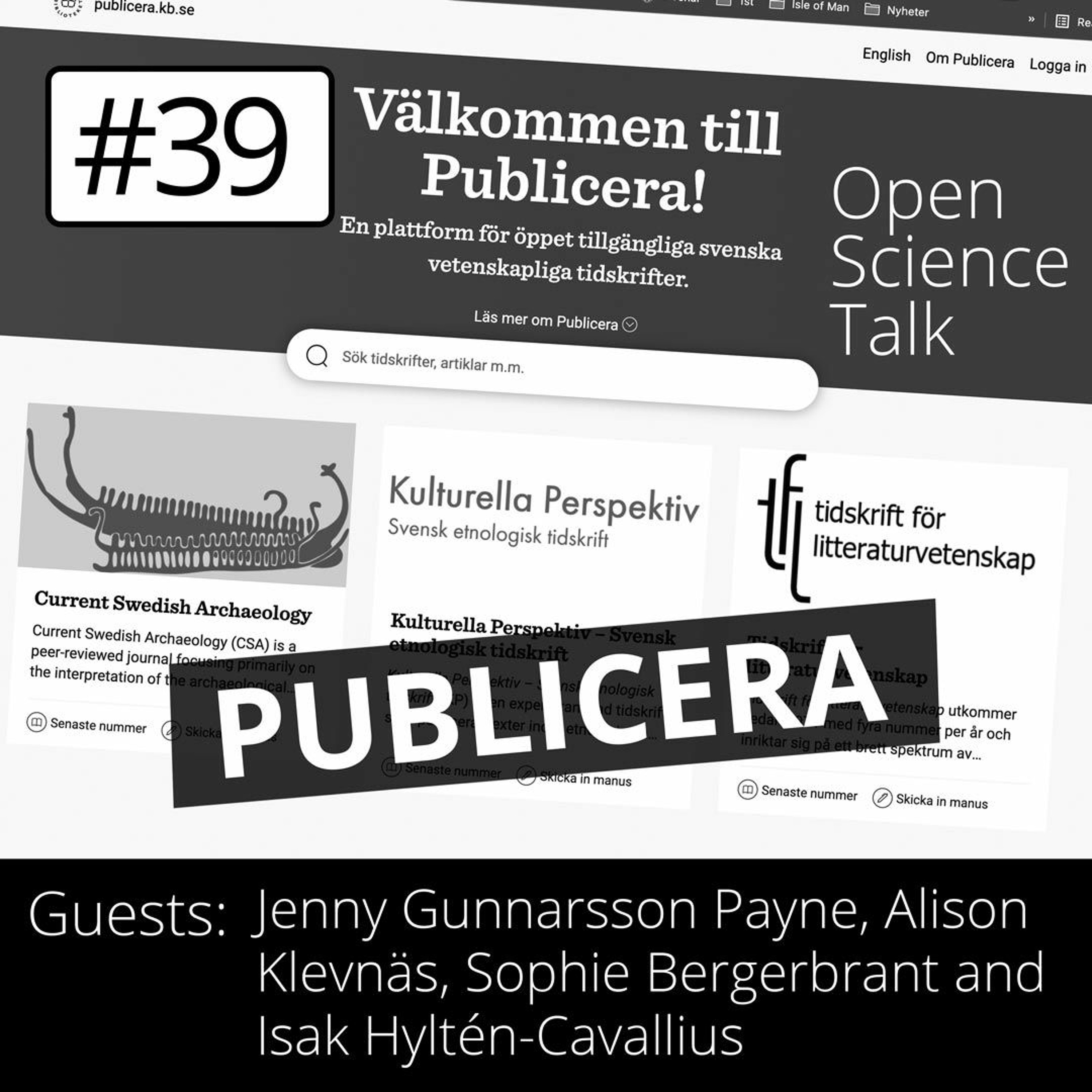
#39 Journal transition to an Open Access platform
The National Library of Sweden recently launched a platform for Swedish Open Access journals, known as Publicera (publicera.kb.se). So far, three peer-reviewed journals from the humanities and social sciences have completed their transition onto the platform. In this episode, the editors of the journals describe the transition process and reflect upon the economics, workflows, technicalities and n
#38 Recognition & Rewards in the Netherlands
In this episode, Kim Huijpen from the Association of Universities in the Netherlands (VSNU) tells about the programme following the publication of Room for Everyone's Talent, a position paper aiming for a wholescale overhaul of the practices of research assessment in the Netherlands. The podcast interview was made in conjunction with the Munin Conference in November 2021. Host: Per Pippin Aspaas
#37 OPENPOLAR.NO
A discussion on the new service Open Polar: The Global Open Access Portal for Research Data and Publications on the Arctic and Antarctic (https://openpolar.no). Presenting only freely available documents on the Arctic and Antarctic, Open Polar is a thematic search engine that can be a useful tool for both researchers and decision makers. Tamer Abu-Alam explains the reasons for filtering out all re
#36 FAIR and transparent research data - an introduction
This interview was recorded in July 2020 for DocEnhance (docenhance.eu), an EU-funded project that aims to broaden the expertise of PhDs by developing courses in transferable skills. One such transferable skill is how to manage your research data in a transparent manner and as much as possible in accordance with the FAIR principles (Findable, Accessible, Interoperable, Reproducible). Professor of
#35 Meteorology as Citizen Science
Eirik Samuelsen, senior meteorologist at the Norwegian Meteorological Institute (Met) and UiT The Arctic University of Norway, discusses the importance of citizen science to current meteorology in Norway. Amateurs contribute to the improvement of weather forecasts in various ways, from anecdotic but valuable feedback on errors in the forecast to a large network of private weather stations providin
#34 Library Support for Open Education
Mariann Løkse, head of Library Services, and Øystein Lund, head of the Resource Center for Teaching, Learning and Techology at UiT The Arctic University of Norway share their thoughts on open education. They talk us through information literacy, MOOCs, learning outcomes from online courses as compared to traditional classroom lectures, and a range of other aspects of digital teaching and learning.
#33 SMARTool
In this episode, we are discussing SMARTool (Strategic Mastery of Russian Tool), a free-to-use online resource for learners of the Russian language. Professor of Russian Laura Janda explains the pedagogical principles behind the tool and plans for future expansions, whereas IT engineer Radovan Bast shares his views on how the choice of sharing the code openly on GitHub serves the needs of the wide
#32 A Student's Perspective
In this episode, we are exploring a student's perspective on open science – and specifically replication studies. Kristoffer Klevjer recently finished his master’s degree in psychology at UiT The Arctic University of Norway and has now taken on a PhD. But already as a master student, he was involved in replication studies. In his experience, replication studies can be benefitial to the student, th
#31 Teaching Open Science
In this episode, we are discussing how to teach open science to PhD students. Helene N. Andreassen, head of Library Teaching and Learning Support at the University Library of UiT the Arctic University of Norway shares her experiences with the integration of open science in a special, tailor-made course for PhD's that have just started their project. An interdisciplinary, discussion-based course, "
#30 Life Without a Journal Deal
In this episode, we are talking about what it is like to live without the larger journal deals. In 2018, Sweden announced that they terminated their previous agreement with Elsevier, and was without a deal until the start of 2020. We want to know how the library and researchers managed without, what they did, and how they feel about the new deal they have made?
My guest today is Cecilia Heyman Wid
#29 Mission or Money?
What is the historical relationship between publishing, money-making and scholarly mission? We explore the past with our guest Aileen Fyfe. She is a historian of science, technology and publishing, and Professor of Modern History at the University of St Andrews. The host of this episode is Erik Lieungh.
#28 Open Code & Peer Review
In this episode, we are talking about code and the benefits of making your code available in a peer review process and having it checked. Our guest is Dr. Stephen Eglen from the department of Applied Mathematics and Theoretical Physics at the University of Cambridge. Together with Dr. Daniel Nüst, from the University of Münster, he has created Codecheck – an open-science- initiative to facilitate
#27 Publishing Open Access Monographs
Our guest today is Lucy Barnes, Editor and Project Coordinator at Open Book Publishers. She talks about what it is to be a small not-for-profit open access book publisher. Together with other publishers, they have formed ScholarLed with the philosophy of ‘scaling small’; in other words, rather than seeking to grow their reach by any one of them becoming exponentially larger, they want to create sy
#26 Music Research
In this episode, we talk about Music Research, and how it is to practice open research within this field.
Our guest is Alexander Jensenius, Associate Professor at the Department of Musicology
- Centre for Interdisciplinary Studies in Rhythm, Time and Motion (IMV) at the University of Oslo. He is also behind MusicLAb, an event-based project where data is collected, during a musical performance, a
#25 Democratizing Health Research
Is it fair that researchers and policymakers in low-income countries have to pay to read new research on diseases they treat? Today's guest is Robert Terry from the World Health Organization’s Special Programme for Research and Training in Tropical Diseases (TDR), where he works as a manager of research policy. His background is from both the Royal Society and the Wellcome Trust. The host of this
#24 Open Access in Latin-America
There are other ways of doing Open Access than the model in Europe and North-America. So what can we learn from colleagues in Latin America? Dr. Arianna Becerril-García is a professor at the Autonomous University of the state of Mexico, and the chair of AmeliCA and Executive Director and co-founder of Redalyc.org. She shares her opinion on the value of the scholarly-led, non-profit business model
#23 Sweden made a new deal
Sweden has made a new deal with the publisher Elsevier. The previous agreement with Elsevier was terminated in 2018, as the Bibsam Consortium & Elsevier were unable to reach a solution that met both parties' requirements for prices and open access. In this episode, we talk to Wilhelm Widmark, Library Director at Stockholm University, who has also been a part of the negotiation team. The host of th
#22 Publishing in the Global South
In this episode, we talk to Samir Hachani, Ph.D. & lecturer at the School of Library Science at the University of Algiers, about the injustice of publications between the Global North and the Global South. We also talk about Journals On Line (JOL) and INASP's effort to create a framework for journal publishing practices and standards for the Global South. The host of this episode is Erik Lieungh.

#21 Should you write on Wikipedia?
In this episode, we talk about Wikipedia. Is this something that researchers should engage themselves in? What is the greater good? How do you resolve conflicts over facts? And does your research credentials matter for the Wikipedia-community? My guest today is Trond Trosterud. Professor of Sami Language Technology at UiT The Arctic University of Norway. He’s an administrator on Wikipedia, and hav
#20 Open Data in the Humanities
Can you combine the history of early modern witchcraft studies with open science? Sure! In this episode of Open Science Talk, historian Rune Blix Hagen explains how at the end of his career he digitalized his research data at the library for others to use. The host of this episode is Erik Lieungh.
#19 On Track with Open Science
How can you inform Ph.D. Candidates and early career researchers about Open Science without becoming too political? Is information given about open science in conflict with the expectations for publishing from our universities? Torstein Låg, psychologist and senior academic librarian at the University Library at UiT The Arctic University of Norway, weighs in on this topic. Låg is also one of the e
#18 Preregistration In Science
Why is it important to preregister research studies? How do you do it, and what kind of bad science do you avoid when you do this within an open science framework?
All these questions are answered by our guest, associate professor Matthias Mittner at the research group for cognitive neurosciences at UiT the Arctic University of Norway. The host of this episode is Erik Lieungh.
#017 Norway made a new deal
In 2019 Norway decided not to renew their deal with the Dutch publisher Elsevier. The reasons were clear: there was no real transition towards Open Access. Now, a new deal has been signed with the same publisher, and the deal is worth around 9-10 million euros. But the question is: What kind of a deal has been made this time around? Our guest today is Mona Magnussen, the head of the department of
#16 Replication Studies
In this episode, we talk about the reproducibility crisis and how one can use Open Science as an environment for creating proper replication studies. Our guest is Gerit Pfuhl, associate professor in psychology at UiT - The Arctic University of Norway. She shares her experience with using the Open Science Framework (OSF) in her project "The Collaborative Replications and Education Project (CREP)"
#15 No Deal with Norway
Norway does not have a deal with the publisher Elsevier anymore and follows in Sweden and Germany's footsteps. But why didn't Norway renew their deal? And how will the Norwegian institutions and libraries cope with a future without the largest publisher of academic literature? Also, what does the newly signed deal with Wiley contain? Is that a "perfect" Open Access deal? The guest of this episode
#14 Improving Research Impact
How can your research impact others outside academia and how do you measure it? In this episode, we discuss the topic of Research Impact – and how to improve it. Our Guest is Guus van den Brekel, medical Information specialist at the University Medical Center at the University of Groningen, in the Netherlands. The host of the podcast is Erik Lieungh.
#13 What can we learn from History?
In this episode, we talk about the history of scholarly publishing and relates it to today's Open Science debate. Historian, philologist and senior academic librarian, Per Pippin Aspaas, takes us through some historical development of scholarly publishing and his views on Open Science. The host of this episode is Erik Lieungh.
More details, including a transcript of the entire episode, can be fou
![#12 The Global Publishing Company [Wiley]](https://i1.sndcdn.com/artworks-000469742016-xaeme7-t3000x3000.jpg)
#12 The Global Publishing Company [Wiley]
In this episode, we talk to one of the big ones - the global publishing company Wiley. Wiley is a company with over 5000 employees that specializes in academic publishing. Our guest is Alice Wood, senior publishing development editor at Wiley. We want to know what their take on Open Science and Plan S is? What happens when you "flip" a journal? And how they see Open Science and Open Access as par
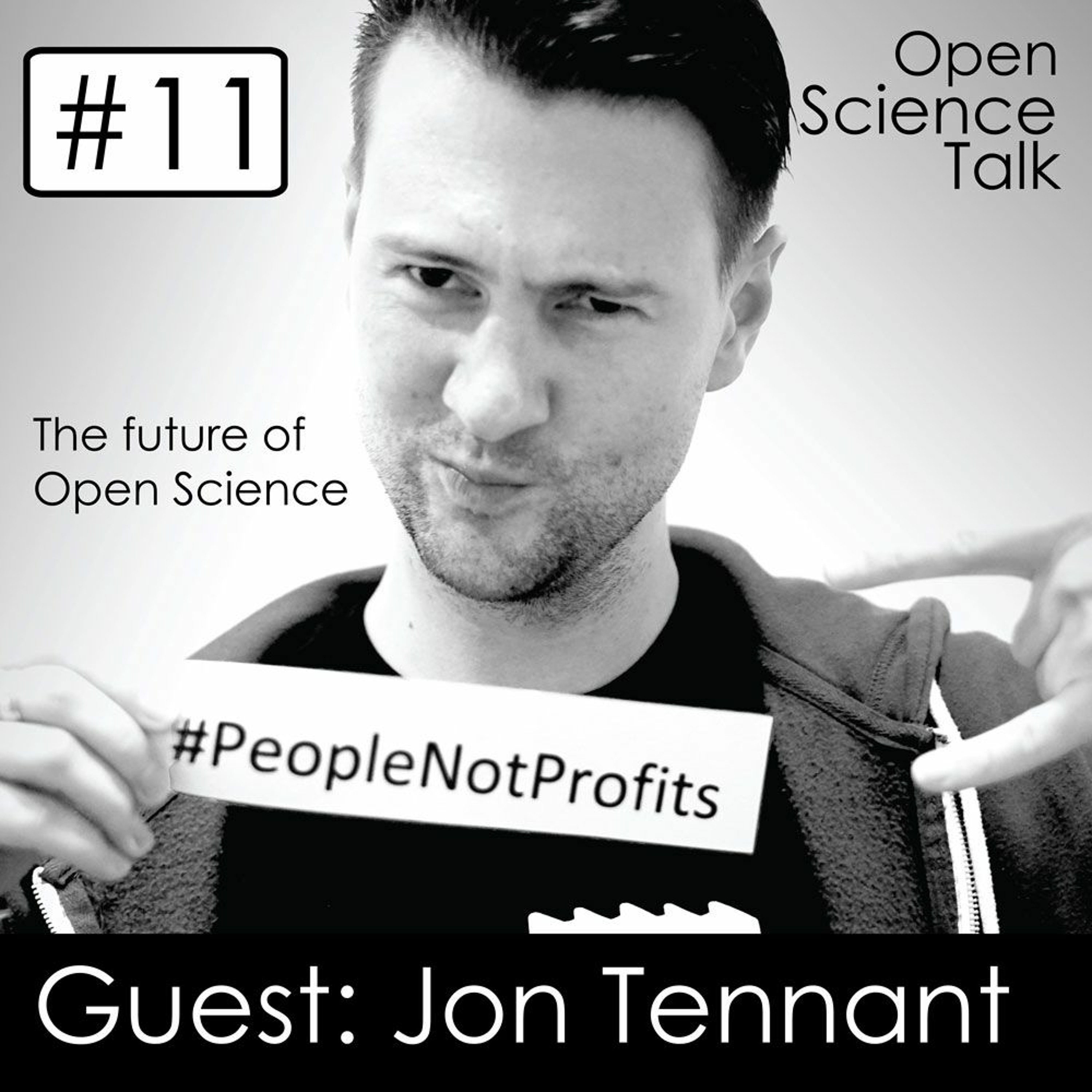
#011 The Future of Open Science
The topic of this episode is the future of Open Science, and what its like to be an outspoken critic of the current publishing system. Our guest is Jon Tennant, paleontologist, independent researcher and the founder of Open Science MOOC. The host of this episode is Erik Lieungh.
![#10 The Open Access Publisher [Hindawi]](https://i1.sndcdn.com/artworks-000454623531-e4cxbx-t3000x3000.jpg)
#10 The Open Access Publisher [Hindawi]
In this episode, we are talking about what it's like to be an open-access publisher and what the future might bring. Our guest is Paul Peters, chief executive at Hindawi publishing - one of the world’s largest publishers of peer-reviewed, fully Open Access journals. The host of this episode is Erik Lieungh.
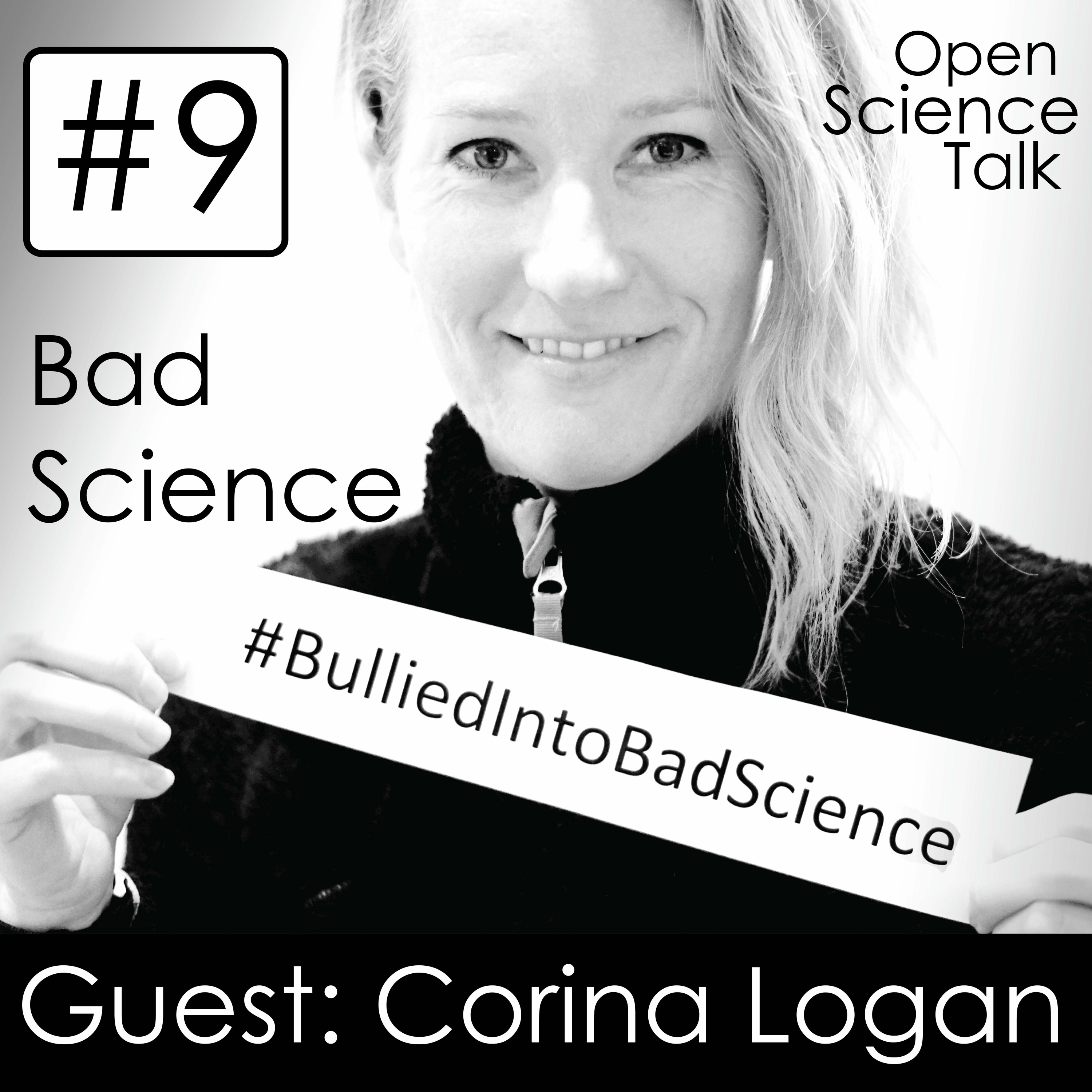
#09 Bad Science
In this episode of Open Science Talk, we are joined by the founder of the campaign #bulliedintobadscience, Corina Logan. Logan is a Senior Researcher at the Department of Human Behavior, Ecology and Culture at the Max Planck Institute for Evolutionary Anthropology. She explains what she means by "Bad Science", including important terms like P-hacking/data fishing and HARKing. She also talks about
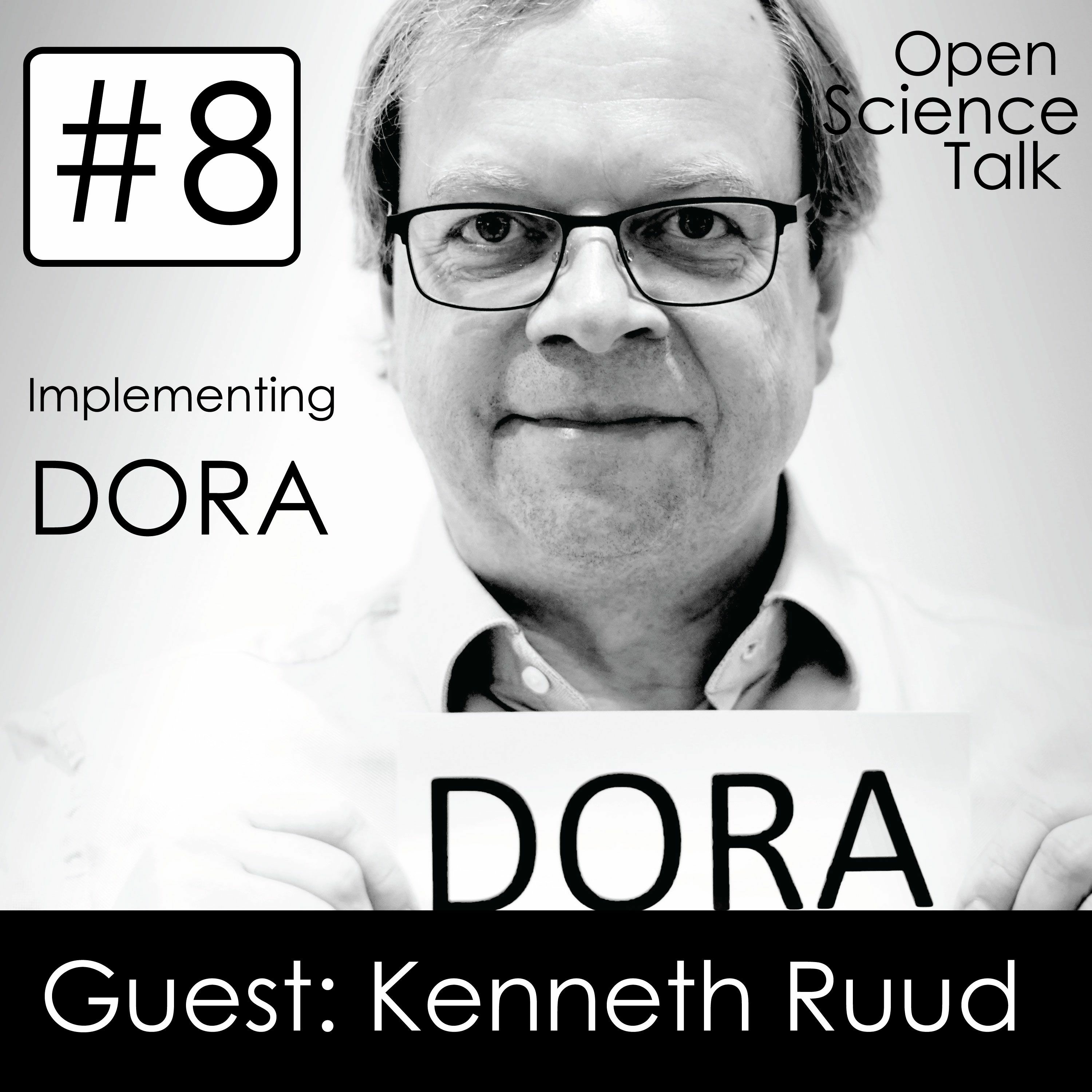
#08 Implementing DORA
In this episode, we try to explain what The Declaration on Research Assessment (DORA) is, and what happens after you have signed the declaration? Kenneth Ruud, Deputy Vice Chancellor of Research at UIT – The Arctic University of Norway give us an insight into how this declaration will change his organization and what challenges they are facing. The host of this episode is Erik Lieungh.

#07 The Psychology of Open Access
In this episode, we talk about the psychology of publishing Open Access. What are the main factors for not choosing OA-publications, and how could institutions and policymakers better understand the choice of the researcher. Organizational psychologist and ph.d. candidate Lars Moksness at the Tromsø School of Business and Economics at UIT - The Arctic University of Norway, is today's guest. The ho
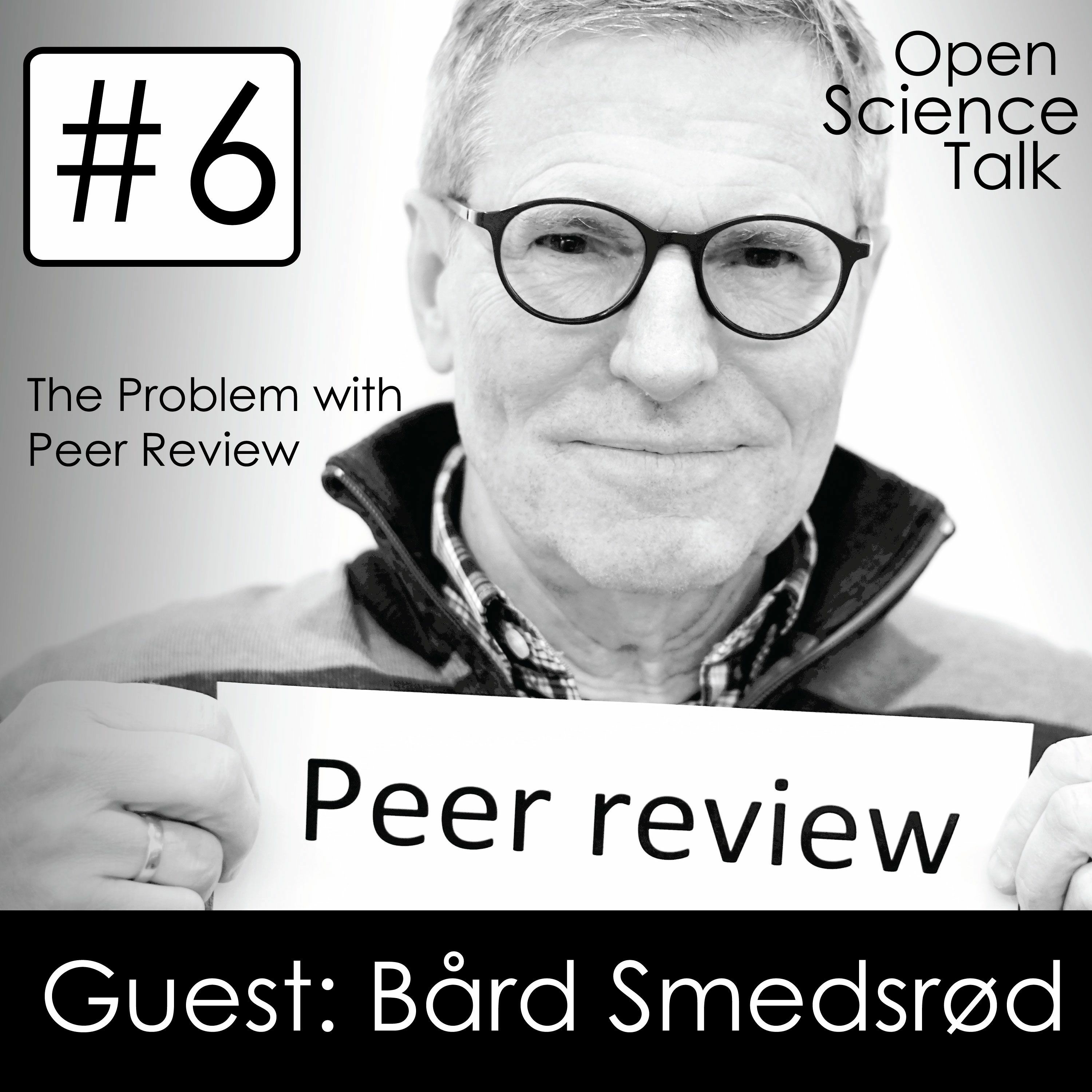
#06 The problem with Peer Review
In this episode professor at UIT - The Arctic University of Norway, Bård Smedsrød, gives us an insight into peer review. How does the system work today, and what's problematic with it? Smedsrød also offers some solutions and encourages Universities to be much more involved in the peer review process. The host of this episode is Erik Lieungh.
#05 Tricks of the Trade - Getting your article
In this episode, we discuss different ways to get a hold of articles in science. There is a wide range of possibilities, some of them are also illegal and should not be used. Today's guest is Guus van den Brekel, medical Information specialist at the Central Medical Library at the University of Groningen, in the Netherlands. The host of this episode is Erik Lieungh.
#04 To OA or Not to OA?
What are the main reasons for our scientists not to choose Open Access to their publications? Are the reasons just misconceptions, or are there some valid reasons as well? Adviser Aysa Ekanger at the University Library at the University of Tromsø lays out the main reasons and some of the solutions to the concerns with Open Access. The host of this episode is Erik Lieungh.
#03 Senior Scientists & Valuable Data
Why is it important that Senior Scientists engage themselves in Open Science and particularly Open Data? Lars Figenschou, biologist and Academic Librarian at the University Library at UIT - The Arctic University in Tromsø, explains why. In addition, he gives us some good tips on how to create a program at the University that secures valuable data. The host of this episode is Erik Lieungh.
#02 What is Plan S?
In this episode we discuss Plan S. The initiative brings together eleven top national research funders, plus the European Research Council, in an effort to release some of the world’s highest quality and highest impact research from behind journal paywalls. Today's guest is Jan Erik Frantsvåg, Open Access adviser at the University Library at UIT - The Arctic University in Tromsø, Norway. The host
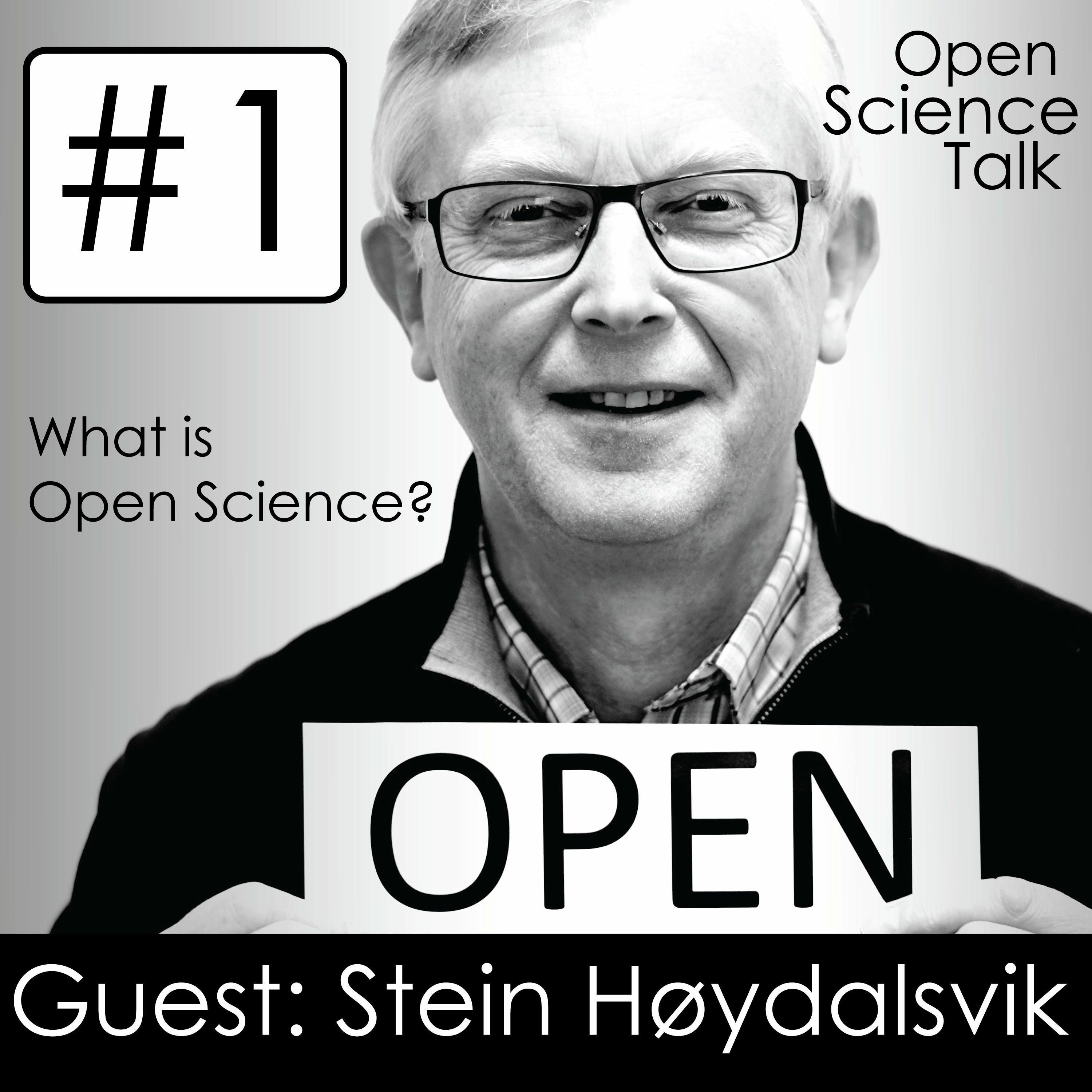
#01 What is Open Science?
What is Open Science and why do we need it? Can Open Access scholarly publishing deliver the same quality as traditional subscription based journals do? Today's guest is Stein Høydalsvik, senior adviser for publishing and research support at the University Library at UIT - The Arctic University in Tromsø, Norway. The host of this episode is Erik Lieungh.